It feels like timing. It's actually just Tuesday's bet being bigger than Monday's.
The red-blue switch system: bet small twice, then hit the other side — October 2026

The short answer
Betting $1 twice on red and then $10 on blue changes which spin costs you real money — nothing else. Every spin is independent at a fixed edge (5.26% American, 2.70% European). The 'switch' is a stake-scheduling system wearing a prediction costume.
In this article
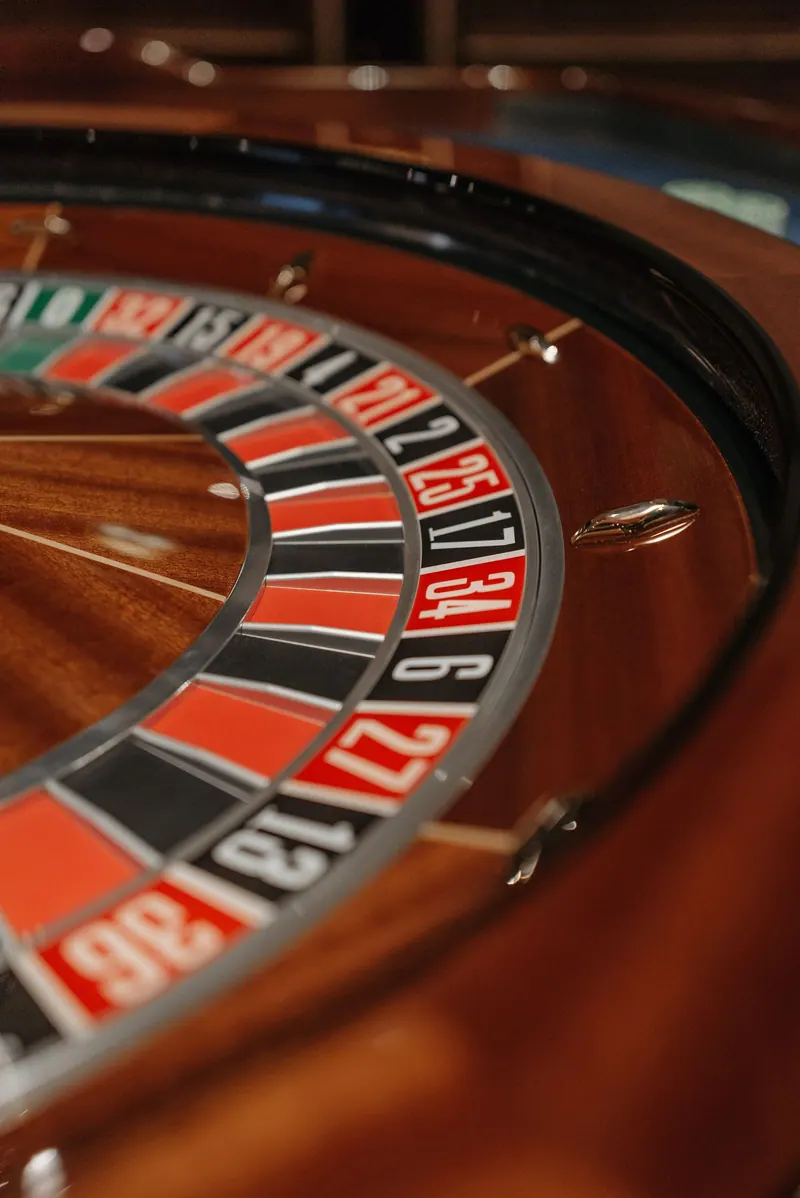
Here's the system, exactly as players describe it: put a dollar on red. It loses. Put another dollar on red. It loses again. Now the board has 'shown' you something — so you put ten dollars on blue, the other side, and collect. The streak told you where the wheel wanted to go. Except the wheel has no memory, and you just made your biggest bet on a coin flip.
Why it feels like it works
- The two small bets are scouts — you barely register losing them, so the system only 'fails' in your memory when the big bet misses.
- When the big bet wins (about 47% of the time on a European wheel), it erases the scouts and posts a profit — which your brain files as 'the system called it,' not 'a slightly-coin-flip went my way.'
- Switching sides feels informed — like you read the board. You didn't. 'Red came up twice' predicts blue exactly as well as it predicts red: not at all.
- The structure creates a story: patient, then decisive. Casinos love it — you size your largest wager at the moment you feel cleverest, which is also the moment the math is identical to every other moment.
- Selective memory does the bookkeeping: the $10 loss after two $1 losses becomes 'bad luck,' while the same sequence ending in a win becomes 'the method.'
What the wheel is actually charging you
Illustrative example
| Approach | What it changes | Cost per dollar wagered |
|---|---|---|
| $1, $1, $10 switch | When the big bet lands — the emotional sequence | 5.26¢ (American) / 2.70¢ (European) |
| $4 flat every spin | Nothing — same total action, boring delivery | 5.26¢ / 2.70¢ |
| $10 single spin, twice a night | Concentrates variance into two loud moments | 5.26¢ / 2.70¢ |
| Any pattern at all | Which spins feel significant | 5.26¢ / 2.70¢ |
For the full taxonomy of stake-size systems, see progressive betting systems and the gambler's fallacy guide — the belief this method is built on. Roulette's fixed costs are laid out in slots vs. table games.