Odds comparison
Slots vs. table games: an honest odds comparison
The short answer
Table games publish their odds in the rules: double-zero roulette holds a fixed 5.26%, well-played blackjack can run under 1%, and baccarat's banker bet sits near 1.06%. Slot returns vary by machine and denomination — typically 85–98% — and are invisible to the player. The bigger hidden variable is pace: at 500+ decisions per hour, even a 'loose' slot can cost more per hour than a slower, higher-edge table.
In this article
Ask which game gives the casino the biggest edge and the instinctive answer is 'whichever one I'm losing at.' The honest answer is more interesting: the edges are only half the story, and the other half is how many times per hour you are asked to pay them.
What the tables publish
Illustrative example
| Game | House edge | What it depends on |
|---|---|---|
| Blackjack (basic strategy) | ≈0.5–2% | Rules (decks, payouts, splits) plus correct play |
| Baccarat, banker bet | ≈1.06% | Fixed — no decisions after the bet |
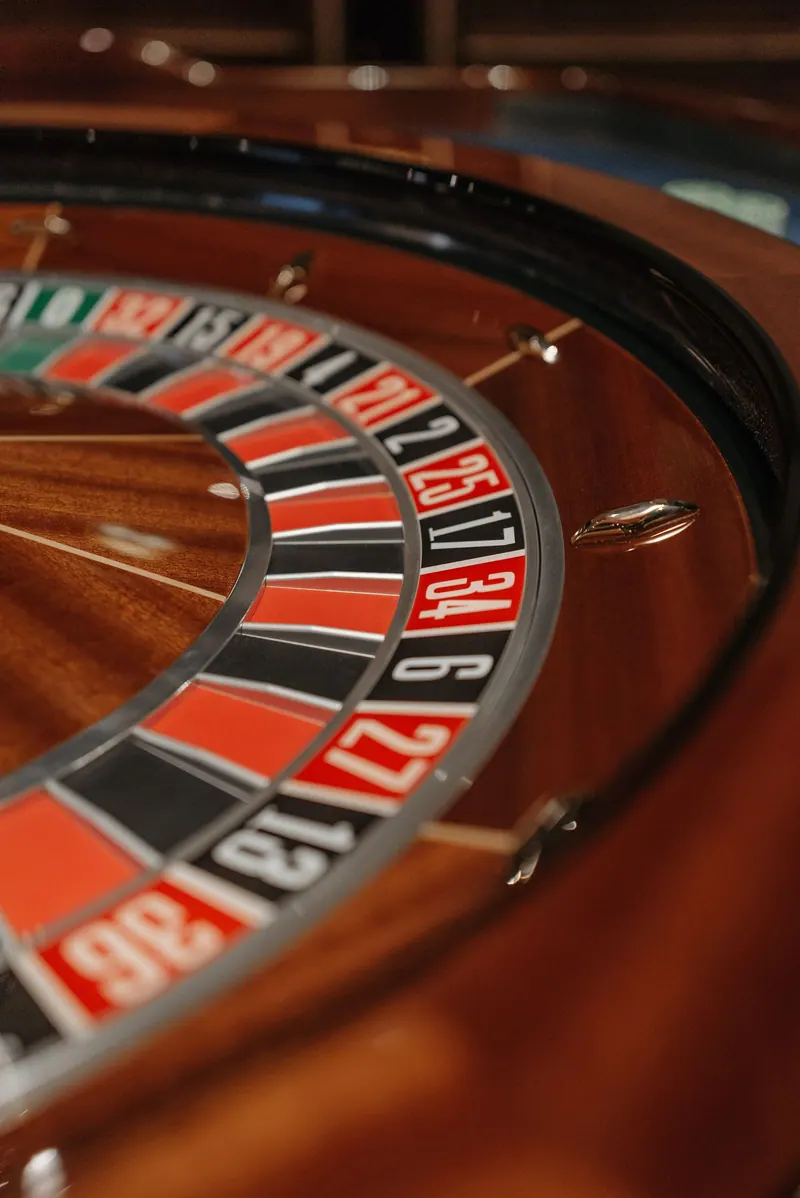
| Roulette, double zero | 5.26% | Fixed by the wheel layout |
| Craps, pass line | ≈1.41% | Fixed; higher on exotic prop bets |
| Video poker (9/6 JoB) | ≈0.5% with perfect play | Paytable plus hold decisions |
| Slot machines | ≈2–15% | Hidden configuration — denomination-linked on average |
The variable nobody lists: speed
Expected loss per hour is edge × decisions per hour × bet size. A $5 blackjack hand at 60 hands an hour against a 1% edge costs about $3/hour in expectation. A $1 slot spin at 500 spins an hour against a 10% hold costs about $50/hour. The 'cheap' game is the fast game — and speed is precisely what slots optimize for.
Where slots still win
- Zero skill required — no strategy to learn, no decisions to get wrong.
- Huge top-end wins: no $5 table bet can produce a seven-figure progressive.
- Low absolute minimums — a table's $10 minimum exceeds most slot bets per decision.
- Privacy: no dealer, no other players, no wrong move to be judged on.
Deeper dives: video poker — the bridge between the two categories, what RTP measures and volatility's role in what a session feels like.