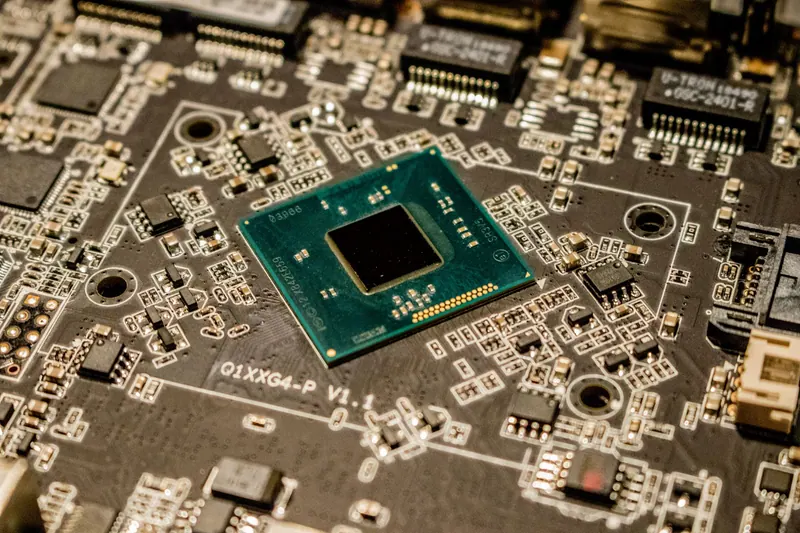
Randomness looks suspicious up close. That suspicion is the fallacy.
The machine is not 'due': the gambler's fallacy, explained by the math it ignores
The short answer
Every regulated spin, drop and round is an independent draw — past outcomes don't bend future odds. Streaks feel meaningful because real randomness produces streaks constantly; they're texture, not signal.
In this article
The gambler's fallacy is the belief that a run of outcomes changes what's due next: red hit eight times so black is 'overdue,' the slot hasn't paid in an hour so it's 'ready,' the crash multiplier's been low so a big one is 'building.' It feels like reading the game. It's reading noise.
Why streaks look like information
- Independent draws produce clusters: flip a fair coin 200 times and you'll very likely see a run of six or more somewhere. Not due — just random with texture.
- Selection bias: you notice the machine that's been cold because you're watching it; the thousand cold spins you weren't watching don't make your feed.
- The brain counts backwards: 'it's been losing' is a description of the past. The next outcome's odds were identical on every one of those spins.
- Hardware reality: certified RNGs draw each result independently — the machine doesn't store a balance of what it 'owes.' Test labs verify exactly this.
Illustrative example
| The thought | What's actually true |
|---|---|
| "It's due to hit" | Every spin carries the same probabilities as the last one |
| "It just paid — it's cold now" | A jackpot doesn't change the next draw's odds either direction |
| "I lost five in a row — I'm owed" | Outcomes don't carry debt; the next spin doesn't know about the five |
| "Must-hit machines work that way though" | Those publish a real trigger range — a designed exception, not a streak pattern |
The fallacy powers most bad systems — see Martingale — and the related myth layer in hot and cold machines and Plinko 'drop' theories.