Independence
Hot and cold slots: what streaks actually are

The short answer
Each spin is an independent draw from the game's math model: the machine does not track whether it is 'due' or 'hot.' Streaks are expected output of randomness, not signals. What can differ between machines is the configured math — RTP version, volatility, denomination — not the machine's mood.
In this article
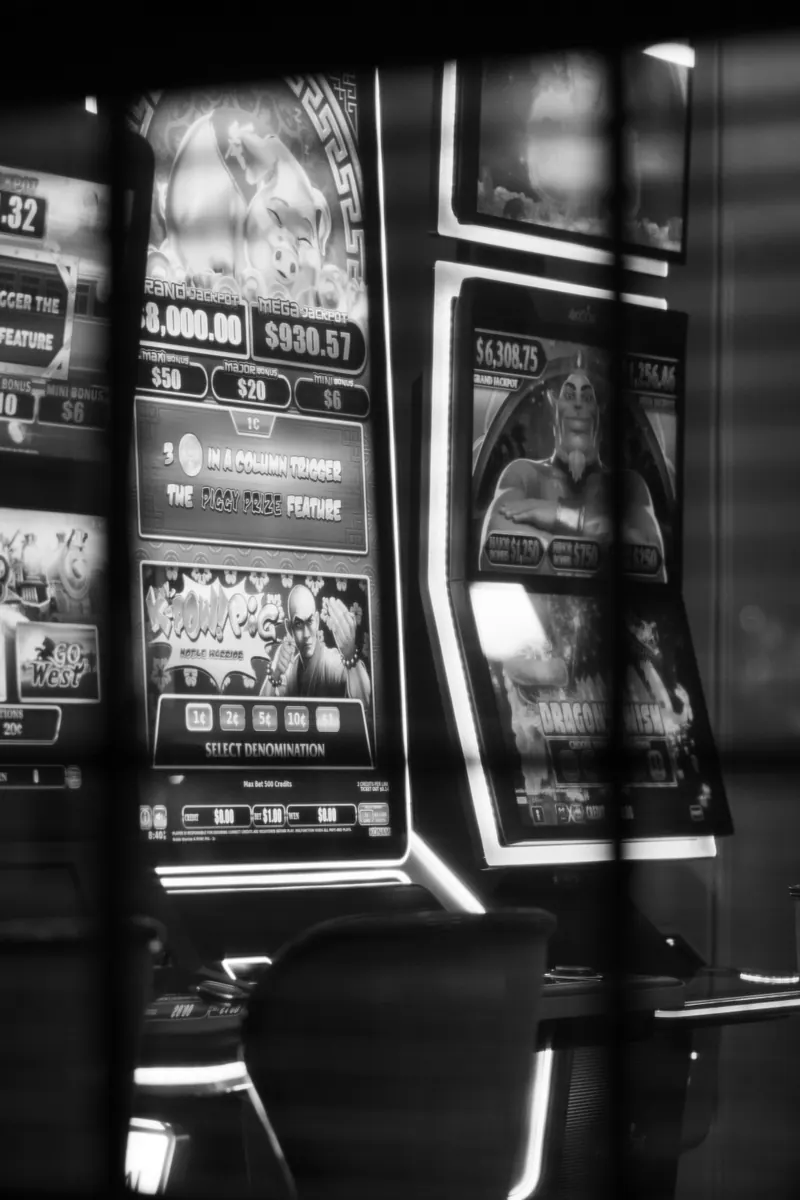
Every casino floor has a folklore: the machine in the corner is paying, that bank by the door is 'dead,' a jackpot means the machine goes cold. None of these describe a mechanism. A regulated slot draws each result independently from a fixed math model, and the idea of a machine being 'due' mistakes a random sequence for a memory.
Why streaks happen on their own
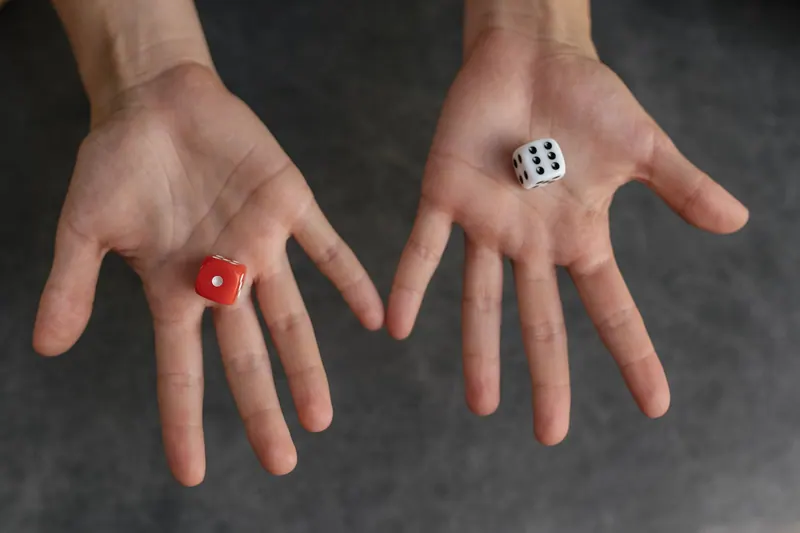
Independent random events naturally cluster. Flip a coin long enough and you will see runs of heads that feel meaningful; they are just the shape of randomness. Slots work the same way, only the outcome space is much larger, so the streaks look more dramatic. A machine that paid twice in an hour was not 'hot' — it produced two independent results that happened to land high. Expected value calculations assume exactly this: each trial's probability stays the same regardless of what came before.
The myths, one by one
- 'It just hit, so it won't hit again.' The probability of the jackpot combination is the same on the next spin as on the last; the machine does not rebalance after a payout.
- 'It hasn't paid in days — it's due.' There is no ledger the machine is trying to settle. Long dry stretches are inside the normal range of results for a high-volatility math model.
- 'The casino tightens machines on weekends.' Changing a game's payback requires a different certified configuration or software version — a regulated process, not a dial on the floor manager's desk. Whether and how often it happens is a property of regulation and casino policy, not of Friday night.
- 'Time of day matters.' The RNG produces values continuously; the result is sampled at the instant you press the button. The clock is not an input to the math.
- 'My players card makes the machine pay less.' The tracking system records play for marketing; the game math that produces outcomes is separate software. Regulators test the game's integrity, and blending the two would be a violation, not a perk.
If streaks feel predictive, that is the pattern-matching brain doing its job on input that has no pattern. For the mechanics underneath, see why each spin is independent, how hit frequency differs from return, and the regulated-machine fairness picture.