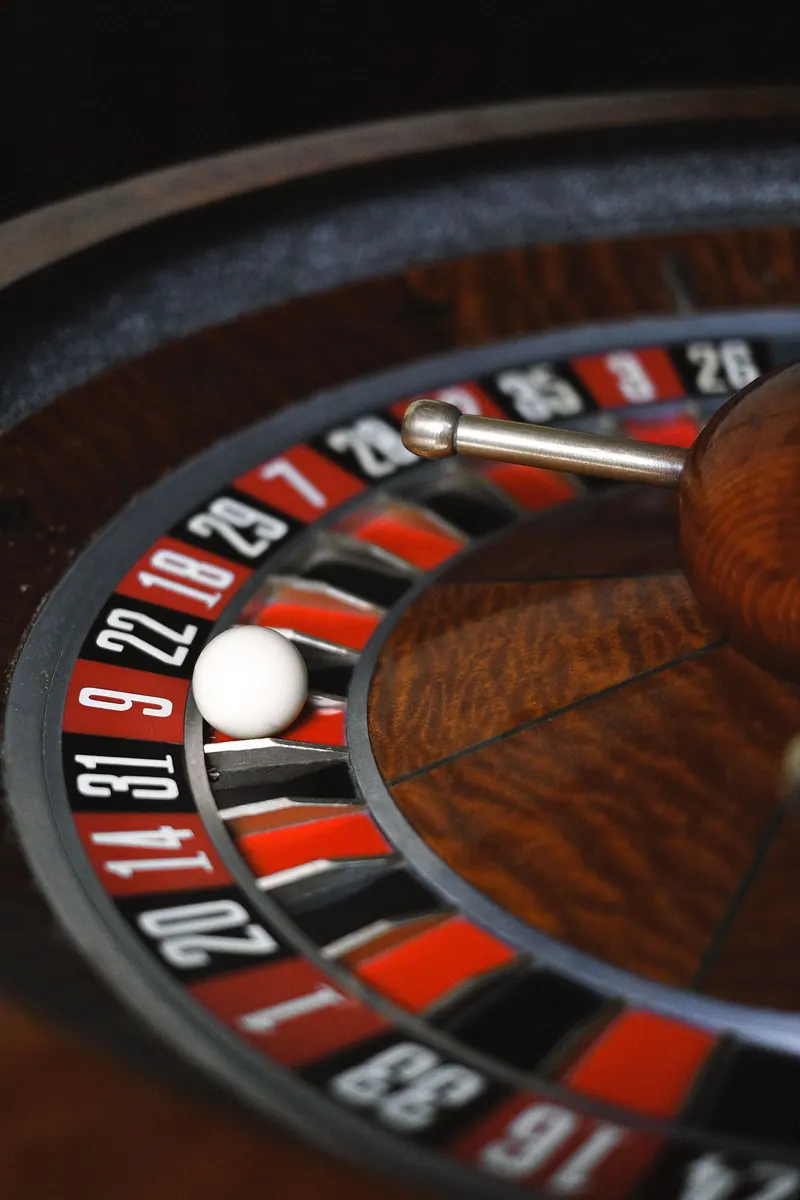
Two-thirds of the wheel covered, and the house edge doesn't blink.
Roulette dozen system: covering 2 of 3 dozens, the 'sleeping dozen' trap — October 2026
The short answer
Covering two dozens puts 24 of 37 numbers on your side — but pays 2:1 so the math is identical to every other bet. A dozen that hasn't hit in ten spins isn't 'due'; it's just a section of the wheel with the same 12-in-37 chance it always had.
In this article
The dozen system is the most elegant-feeling roulette method: bet two of the three dozens (or columns) and you've covered 24 of 37 numbers. Hit either and you profit a unit. It feels like you've built a wall around most of the board — and on any single spin you genuinely do win two-thirds of the time. The catch is printed in the payout.
The two variants players run
- Two-dozen coverage: bet equal amounts on two dozens — say 1st-12 and 2nd-12. Win most spins (+1 unit), lose when the uncovered dozen or zero lands (−2 units). The 24/37 win rate is real; the 2:1 payout is priced so you bleed at exactly the same rate as any other bet. It's the illusion of safety in its purest form.
- The sleeping-dozen sniper: track the last ten spins, wait for a dozen that hasn't appeared, and bet it 'because it's due.' This is the gambler's fallacy in a trench coat — the wheel doesn't owe the neglected dozen anything, and the ten-spin drought you spotted was just the ordinary noise of randomness.
- Two-dozen coverage plus a hedge: cover two dozens and sprinkle the zero or a corner to 'cover the gap.' Every additional spot pays its own edge — you're not closing a hole in the math, you're buying more tickets for the same fee.
- Progressive dozen recovery: after a miss, raise the two-dozen bet to recoup. Standard martingale on a 2:1 structure — you recover faster per win but your losing streaks dig the hole twice as fast. Same wall, sooner.
Why 'most of the board' isn't an edge
Roulette's genius is that every bet is priced to be equally bad. Two dozens cover ~65% of the numbers and pay 2:1 — a third of the time you lose both units, and over a long session the green zero takes its cut on every one of those spins. The coverage feels like control because you 'win' often; the game is engineered so that frequent small wins are exactly how the edge is collected. The wheel is perfectly happy to let you feel like you're winning while it takes its fee.
Illustrative example
| Coverage | Win frequency | What happens on a miss | Edge per spin |
|---|---|---|---|
| One dozen | 12/37 ≈ 32% | Lose 1 unit | 2.70% (Euro) / 5.26% (US) |
| Two dozens | 24/37 ≈ 65% | Lose 2 units | 2.70% / 5.26% |
| Two dozens + zero | ~66% | Lose 3 units on any miss | 2.70% / 5.26% — plus the hedge fee |
| 'Due' dozen after drought | Same 12/37 | Same unit loss | 2.70% / 5.26% — with extra confidence |
The same math governs every staking pattern — see the full taxonomy in progressive betting systems, the doubling ancestor in the martingale write-up, and the 'due' myth underneath it all in the gambler's fallacy.