Game classes
Class II vs. Class III slots: what the labels mean
The short answer
Class III machines are what most people picture as slots — each play is a house-banked game resolved by the machine's own RNG under a tribal-state compact or state license. Class II machines, common on tribal gaming floors, run electronic bingo: your outcome comes from a bingo draw shared with other players, and the spinning reels are a display layer over that result. The games can look identical; the legal and technical machinery underneath is different.
In this article
Walk into a tribal casino and two cabinets side by side can look and sound identical while operating under different federal law. The Indian Gaming Regulatory Act splits gaming into classes, and the class tells you what the machine is actually doing when the reels stop — not just who regulates it.
What IGRA's classes are
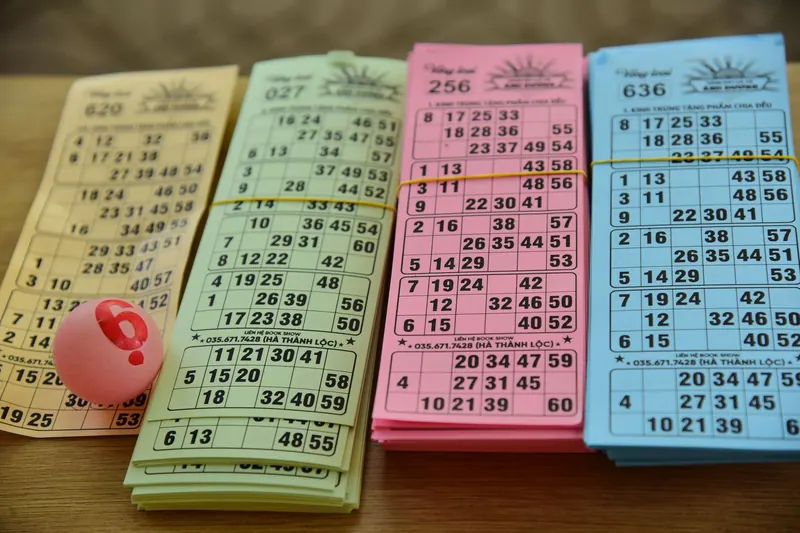
Congress built the framework after the Supreme Court's 1987 Cabazon decision, and the NIGC's own FAQ describes the result: class I covers traditional and social gaming under tribal control; class II is bingo and games similar to bingo; class III is everything else — the broad category that includes slot machines and house-banked table games. Federal regulations at 25 CFR Part 502 supply the definitions the Commission applies: class II centers on bingo played for prizes with cards bearing numbers, and class III is defined by exclusion as all gaming that is not class I or class II.
Illustrative example
| Aspect | Class II | Class III |
|---|---|---|
| Core mechanism | Electronic bingo: players compete against each other on a shared draw | House-banked game: each play resolved against the casino by the machine's RNG |
| What the reels are | A display of the bingo result | The actual game outcome |
| Legal basis | IGRA class II — tribal regulation, no compact required for the gaming itself | IGRA class III — requires a tribal-state compact |
| Where common | Tribal properties, especially in states without class III compacts | Commercial casinos and compacted tribal casinos; all of Las Vegas |
| How to spot it | Many cabinets show a small bingo card display during play | No bingo card display; standard result screen |
What changes for the player — and what doesn't
- The reel-spin experience is intentionally similar. Class II games are engineered to feel like slots; the slot-style presentation is a licensed, tested skin over the bingo draw.
- Results are still math, not 'looser' or 'tighter' by class. Both categories have configured payback structures and both are tested; the class tells you the mechanism, not the return.
- Some class II games need another player in the system to complete the bingo draw. On a very slow night a machine may behave differently or be unplayable for that reason alone.
- Jackpots can look identical on both classes — the difference is which engine produced the number, not what the number is.
The distinction matters most at the regulatory level — a tribe can offer class II without a compact, while class III requires one — which is why some markets are dominated by one class or the other. For the math shared by both, see what RTP actually measures and why counting symbols does not reveal odds.