The only casino where the players literally can't leave.
Cruise Ship Casino Slots: Payback, Rules and What 'International Waters' Means
The short answer
Cruise ship casinos operate in international waters under flag-state rules — not US state gaming commissions — and their slots are widely reported to pay worse than land casinos (estimates around 80-85%). No jurisdiction publishes their RTP, comps are weaker than land programs, and the captive audience is the business model.
In this article
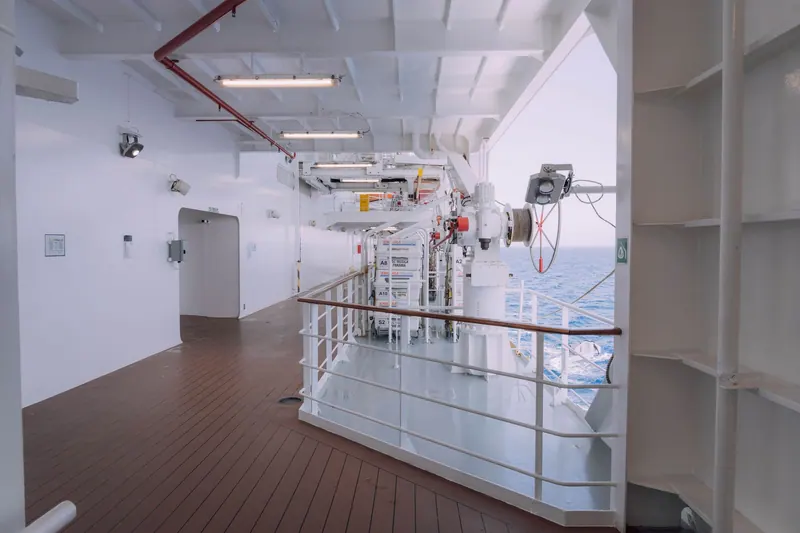
Cruise ship casinos occupy the strangest regulatory niche in gambling: a full casino, staffed, taking real money — governed by no US gaming commission, subject to no published RTP requirements, and serving an audience that can't walk to a competitor. The ships open the casino roughly 12 nautical miles out — once the vessel exits territorial waters and state law stops applying. What happens on those felt tables and reels is governed by flag-state maritime rules, which mostly means the cruise line's own standards.
Who regulates a casino at sea? Mostly nobody
Flag states (Bahamas, Panama, Malta — wherever the ship is registered) technically have jurisdiction, but none run gaming-commission operations comparable to Nevada or New Jersey. There's no lab certification requirement equivalent to US state standards, no published payout reports, no regulator to appeal to. Industry observers and player surveys consistently place cruise slot paybacks in the 80-85% range — several points below typical Vegas strip configurations — though the cruise lines don't publish figures and aren't required to.
- The 12-mile rule is real. Casinos stay closed in port and in territorial waters (they open once the ship is in international waters). The same rule closes it before port arrival — plan your session around sailing times.
- Comps work, but differently. Cruise lines run real players-club programs — points convert to free drinks, discounted future cruises, sometimes free balcony cabins. But earning rates are tuned to the cruise's short duration; the math that makes sense in Vegas gets compressed into 7 days.
- Tournaments are the value play. Slot and blackjack tournaments on cruises are genuinely popular, entry fees are modest, and the prize pools can be competitive — they're one of the few cruise-casino products where the structure isn't purely house-favorable.
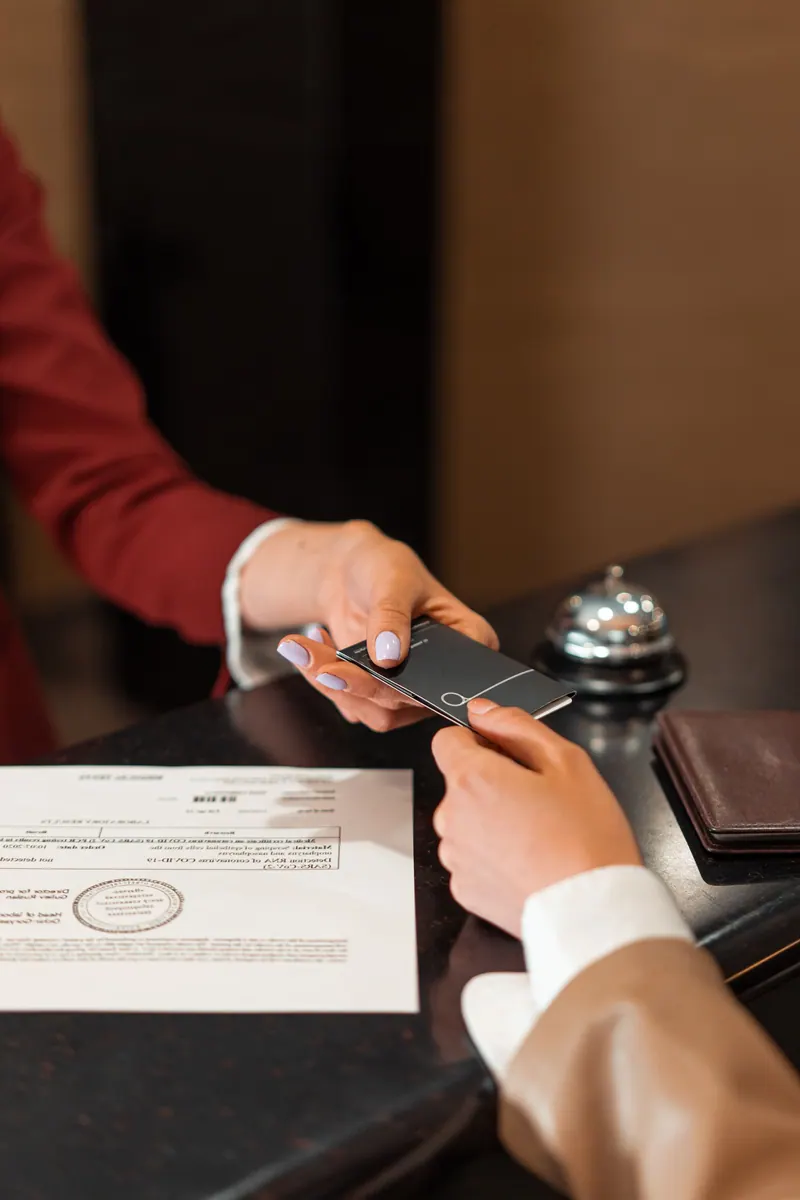
- Cashless everything. Most ships run gaming off your room card — no cash cages, no tickets. Your losses auto-post to the folio. It's convenient in exactly the way that makes losing painless.
- The captive-audience tax. A land casino competes with the casino next door. A cruise casino competes with the pool. Expect odds, paytables, and rules tuned for the only game in town.
Playing smart at sea
The honest cruise-casino strategy is expectation management: you're gambling in the least-regulated, least-competitive venue that exists, paying a convenience premium for playing on vacation. Play for entertainment value at stakes where the expected loss is a drinks budget, not a savings account. Chase the fun products — tournaments, the odd bingo session, the free-play promos the casino director hands out — and treat the slots' payback as the price of ocean air.
Related: denomination and payback, are slots rigged (and what 'rigged' means without a regulator), and how comps actually work.